
Hydraulic hoses are an important part of hydraulic systems because they transfer hydraulic fluid between different components. They are commonly used to connect pumps, valves, cylinders, and other hydraulic equipment.
In certain instances, the hydraulic system may not perform efficiently even when all the major components are working properly. This can happen due to improper hose installation, incorrect routing, loose connections, or excessive bending of the hose.
Therefore, proper hydraulic hose installation is important for maintaining the performance of the hydraulic system. It can reduce fluid loss, prevent unnecessary pressure drops, and improve the overall operation of the equipment.
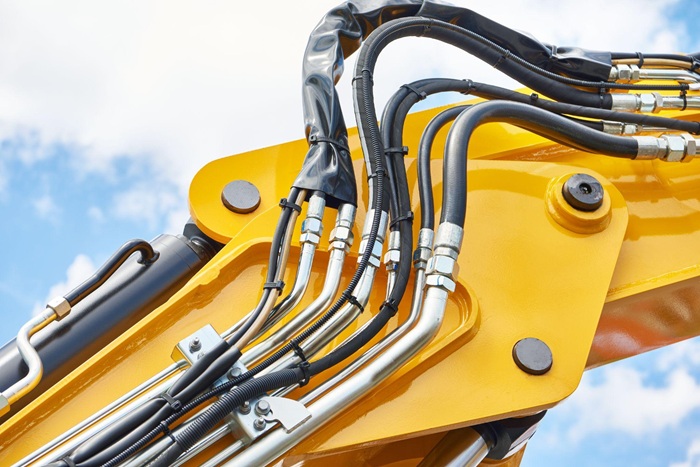
How Proper Hydraulic Hose Installation Improves Efficiency
There are several ways proper hose installation can improve the efficiency of a hydraulic system. We shall look into the major benefits and understand how they can improve system performance.
Reduces Hydraulic Fluid Leakage
Improper installation can cause leakage around the hose connections. If the fittings are not properly connected or the hose is not installed correctly, hydraulic fluid can escape from the system.
This reduces the amount of fluid available for operating hydraulic components. It can also create pressure loss and affect the performance of cylinders, motors, and other equipment.
Therefore, installing the hose correctly and fixing the fittings properly can reduce the chances of leakage.
Prevents Unnecessary Pressure Loss
Hydraulic systems require proper fluid pressure to operate efficiently. If the hose is incorrectly routed, excessively bent, or too long, it can create additional resistance to fluid flow.
This resistance can result in pressure loss inside the system. Because of this, the hydraulic components may not receive the required pressure to perform properly.
Therefore, selecting the correct hose length and routing it properly can help maintain the required fluid pressure.
Reduces Hose Bending
Hydraulic hoses have a specific minimum bend radius. Bending a hose beyond this limit can damage its internal structure and restrict the flow of hydraulic fluid.
When the hose is installed with excessive bends, it can also experience additional stress during system operation.
Therefore, you must install the hose with sufficient space for proper bending. Avoid sharp bends and allow the hose to follow a natural routing path.
Improves Fluid Flow
The internal diameter of the hydraulic hose has an important role in fluid flow. If the hose diameter is too small for the application, the hydraulic fluid may face increased resistance while moving through the system.
This can reduce system efficiency and may also increase heat generation.
Therefore, selecting the correct hose size according to the hydraulic system requirements can improve fluid flow and help the equipment operate properly.
Prevents Hose Damage
A hydraulic hose can come into contact with other machine components if it is not installed correctly. Continuous rubbing against metal surfaces or moving components can damage the outer layer of the hose.
In addition, excessive stretching or twisting can put additional stress on the hose.
Therefore, the hose must be routed away from sharp edges, moving parts, and surfaces that can cause physical damage.
Using clamps or suitable supports can also help keep the hose in its correct position.
Improves Connection Reliability
The connection between the hydraulic hose and fitting is another important factor. If the fitting is incorrectly selected or installed, it can result in leakage and hose failure.
The fitting must match the hose and the requirements of the hydraulic system. The connection should also be properly secured before operating the equipment.
If you require a hose for a specific application, a custom hydraulic hose can be selected according to the required length, size, pressure rating, and connection requirements.
Reduces Maintenance Requirements
Proper hose installation can reduce unnecessary maintenance. A hose that is correctly routed and connected is less likely to experience premature damage.
This means the hydraulic system can operate for a longer period without frequent hose replacement or repair.
Therefore, proper installation can reduce maintenance work and also reduce downtime caused by unexpected hose problems.
Conclusion
Proper hydraulic hose installation can improve the efficiency and reliability of hydraulic systems. It can reduce fluid leakage, prevent unnecessary pressure loss, improve fluid flow, and reduce hose damage.
The correct hose size, proper routing, suitable fittings, and correct installation technique all have an important role in hydraulic system performance.
Therefore, if your hydraulic system is experiencing leakage, pressure loss, or frequent hose failures, checking the installation should be one of the first steps. Properly installed hydraulic hoses can help the system operate efficiently and reduce unnecessary maintenance and downtime.
